About
My name is Maxime Fomin and I am an amateur paleontologist. I have a collection of several thousands of fossils, mostly those I found myself. I’m interested in paleontology and evolutionary biology ; I read scientific papers to understand the evolution of various groups of organisms. On this website, I publish articles on various paleontological topics : information on scientific discoveries, biographies of paleontologists, expedition reports, articles on fossil preparation… Photographs of my collection are published on gallery.lsglab.org. After finishing college, I plan to study genetics.
What is paleontology ?
Paleontology is the science that studies life that existed in the past, millions of years ago. It relies on the study of fossils, which are remains of organisms preserved in sedimentary rocks. Paleontology is an important branch of evolutionary biology, as only fossils allow to observe the evolution of life in the past. Paleontology aims to reconstruct extinct organisms and their lifestyle (paleobiology) as well as ancient ecosystems (paleoecology). Paleontology is also close to geology, as on one side age estimations and interpretations of fossil data requires geological knowledge, and on the other side fossils are useful not only in biological research but also in geological. Some fossil species, for example, allow to determine the age of the layer of rock they are found in. The creation of timescales based on fossils, for which it is necessary to reconstruct evolutionary lineages and recognize the appearance of new genera and species, is the topic of study of biostratigraphy. Another example could be the study of ancient climates – paleoclimatology, where fossils are perhaps the most important source of information.
How I created LSG Lab
My interest for paleontology began at the age of 6 or 7, after visiting a paleontological exhibition at the museum of natural history in Geneva. Later I took part in paleontological clubs in Moscow (where I lived back then). These clubs were lead by professional paleontologists, who organized paleontological lectures and fossil searching expeditions. I also took part in the paleontological olympiad in Moscow.
I started to look for fossils on my own thanks to ammonit.ru, a website where paleontologists (amateurs or professionals) published information on fossil sites and photographs of the specimens they found. I published several finds there myself.
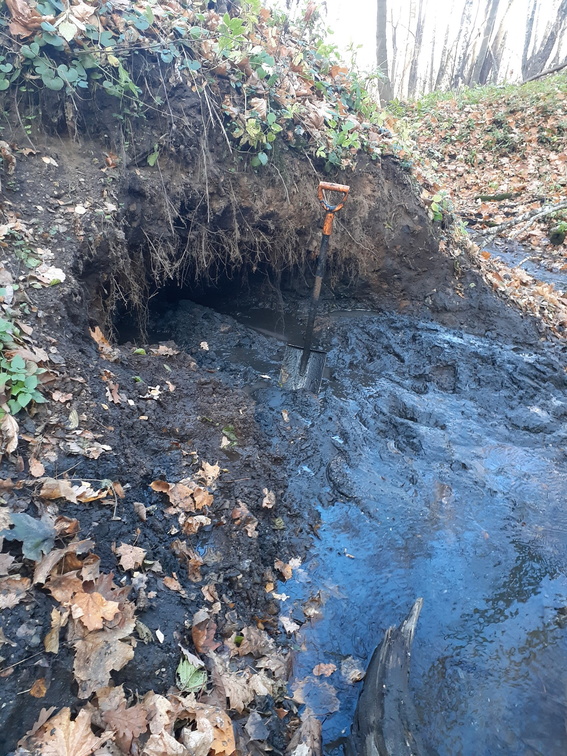
Searching for shark teeth and other fossils in the Fili park, Moscow.
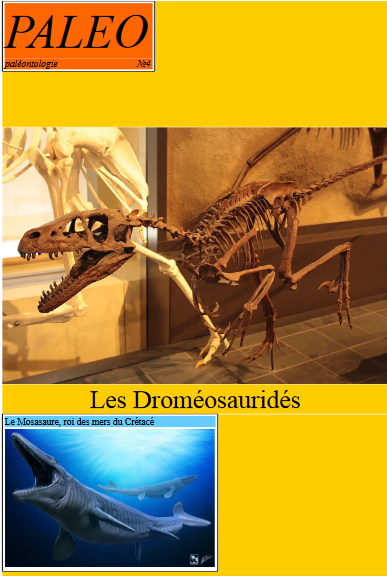
In the year 2020, I started a journal about natural sciences – PALEO. The journal was edited in French and Russian and had 53 subscribers. In 2 years, I created 19 issues, 17 of them were published.
In 2022, I left Russia and moved to Geneva. A part of my collection followed me. I gave those specimens that stayed in Russia to a friend at my paleontological club. Of course, I wanted to start to search fossils in Europe. Unfortunately, Swiss and French amateurs rarely share information on fossil sites, fearing that they could be visited and damaged by other amateurs. I didn’t find anything on my first two expeditions. Then, to find fossil sites, I used geological maps and paleontological research papers. I also joined the SGAM, that often organizes fossil searching trips.

Fossil searching in Meuse, France. May 2025.

As I want not only to find fossils and gather scientific knowledge, but also to share it, I launched this website in 2024. Since 2024, I also make fossil exhibitions and paleontological conferences.
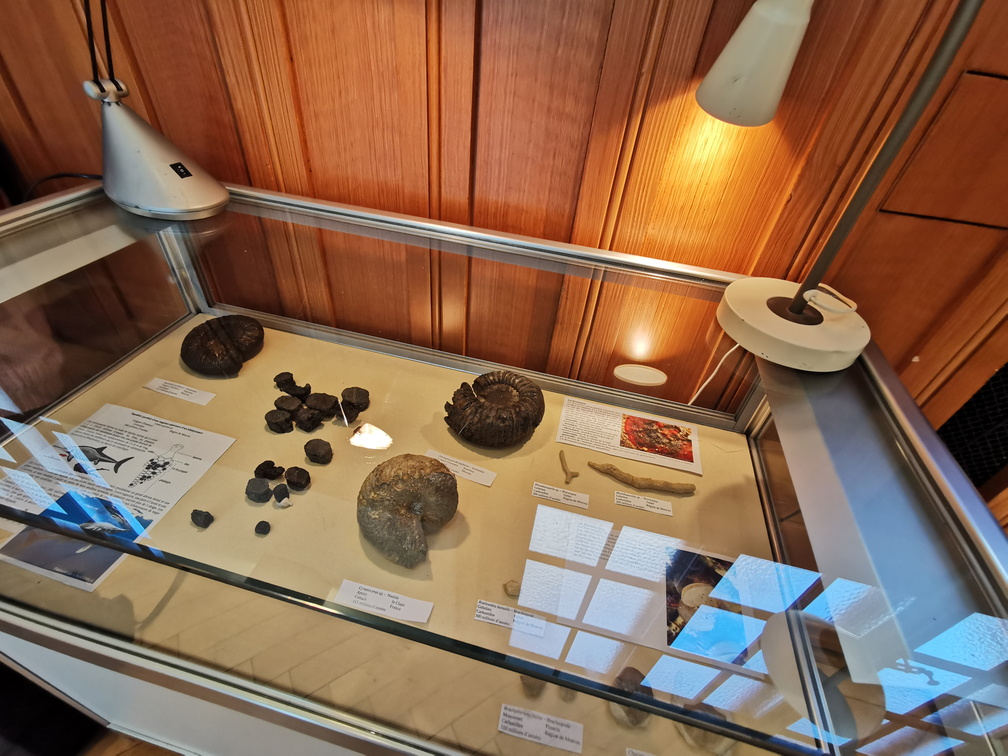
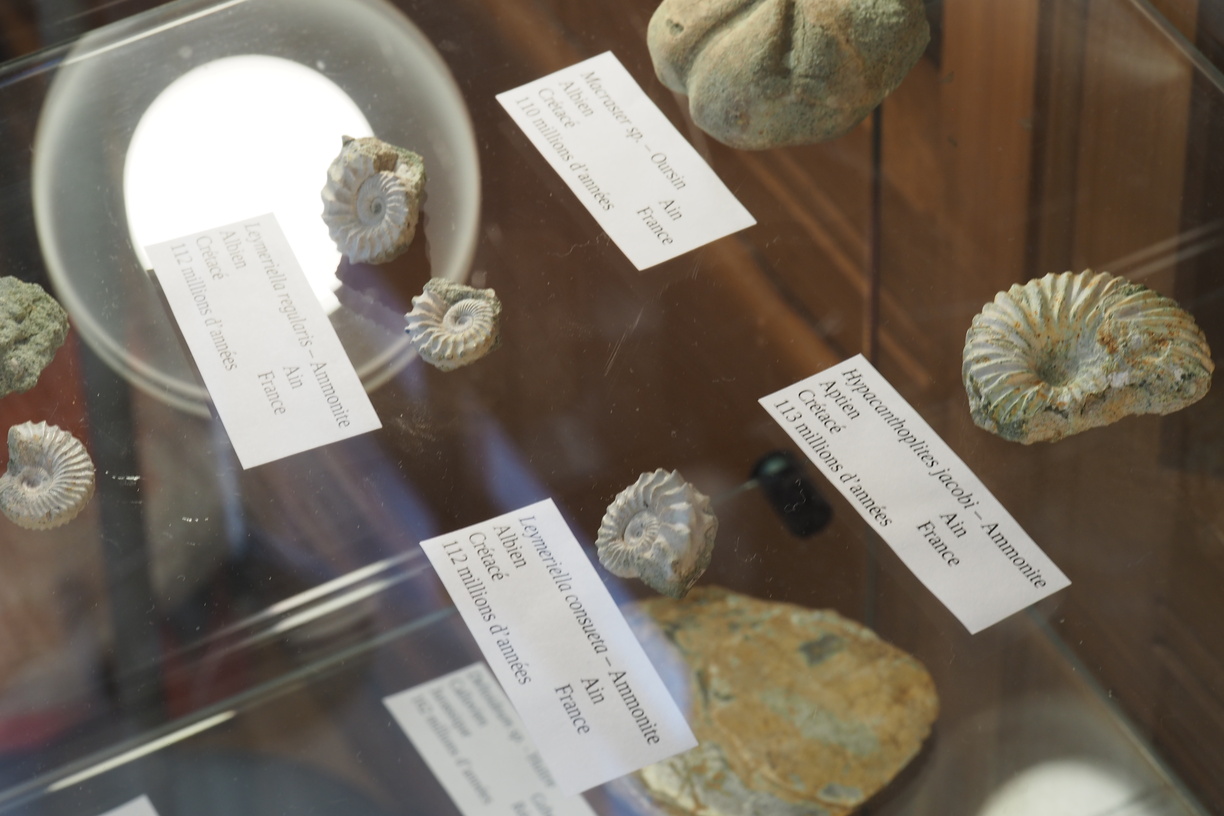
Fossils from my collection at an exhibition. Geneva, 2024.
Fossils are rarely perfect when you find them. Most of the time, they are more or less covered with rock. Tools like rotary tools, diamond burs and dental picks are required to clean them. Stereomicroscopes are needed to prepare small details.
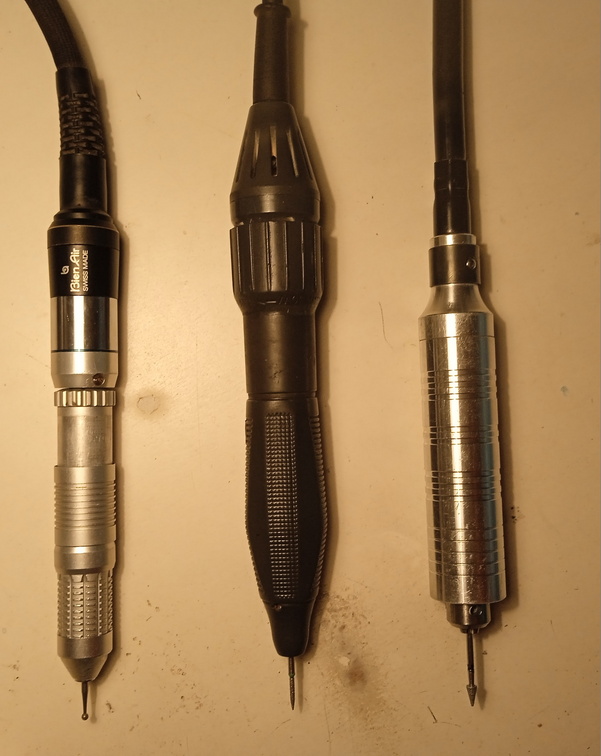
Dental micromotors and a flex shaft tool handpiece used for fossil preparation.
I also study microfossils – fossils that are so small that you cannot distinguish them with the naked eye. To find and study them, microscopes must be used.

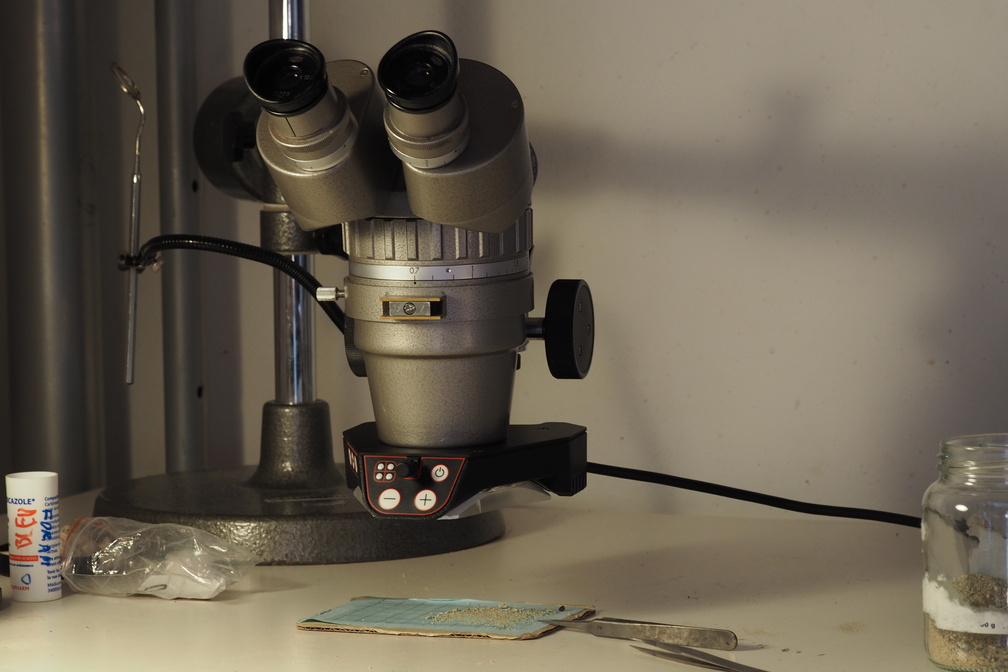
Leica MZ8 stereomicroscope, used to take pictures of microfossils.
I’ve built a small paleontological lab by buying used tools.
Anknowledgements
I am very grateful to Julien Mabillard, who helped to build this website, and also to everyone who suggested corrections and additions to my articles. Thanks to Antoine Pictet from the Geological museum of Lausanne for suggesting corrections to my conferences and sharing fossil sites. I am grateful to the SGAM for referring my website on their website https://lasgam.ch.